The 6 Types of Courage You Need to Start Exercising After a Lazy Life
 Wayne
Wayne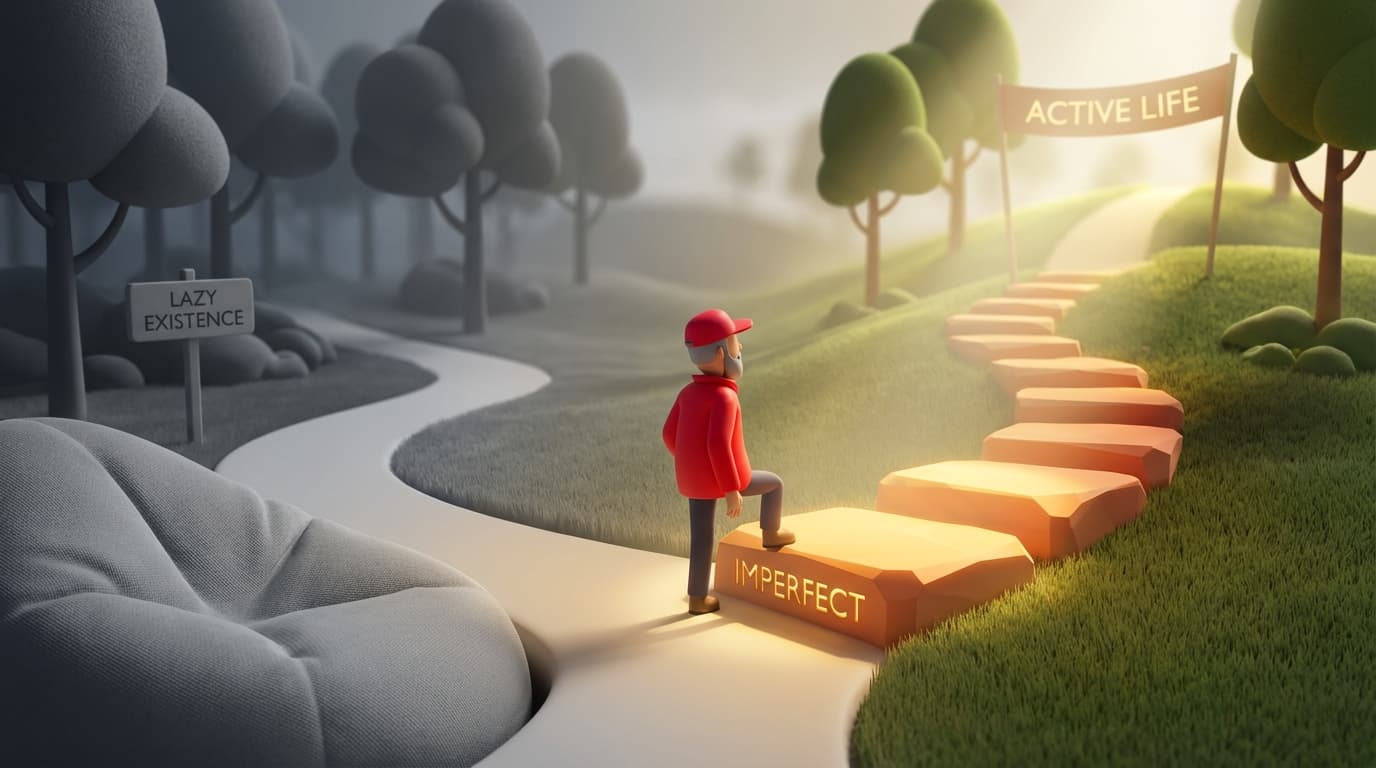
It is one of the most profound questions you can ask yourself when staring down the path to a healthier life: What kind of courage does it take to start exercising after living a lazy existence?
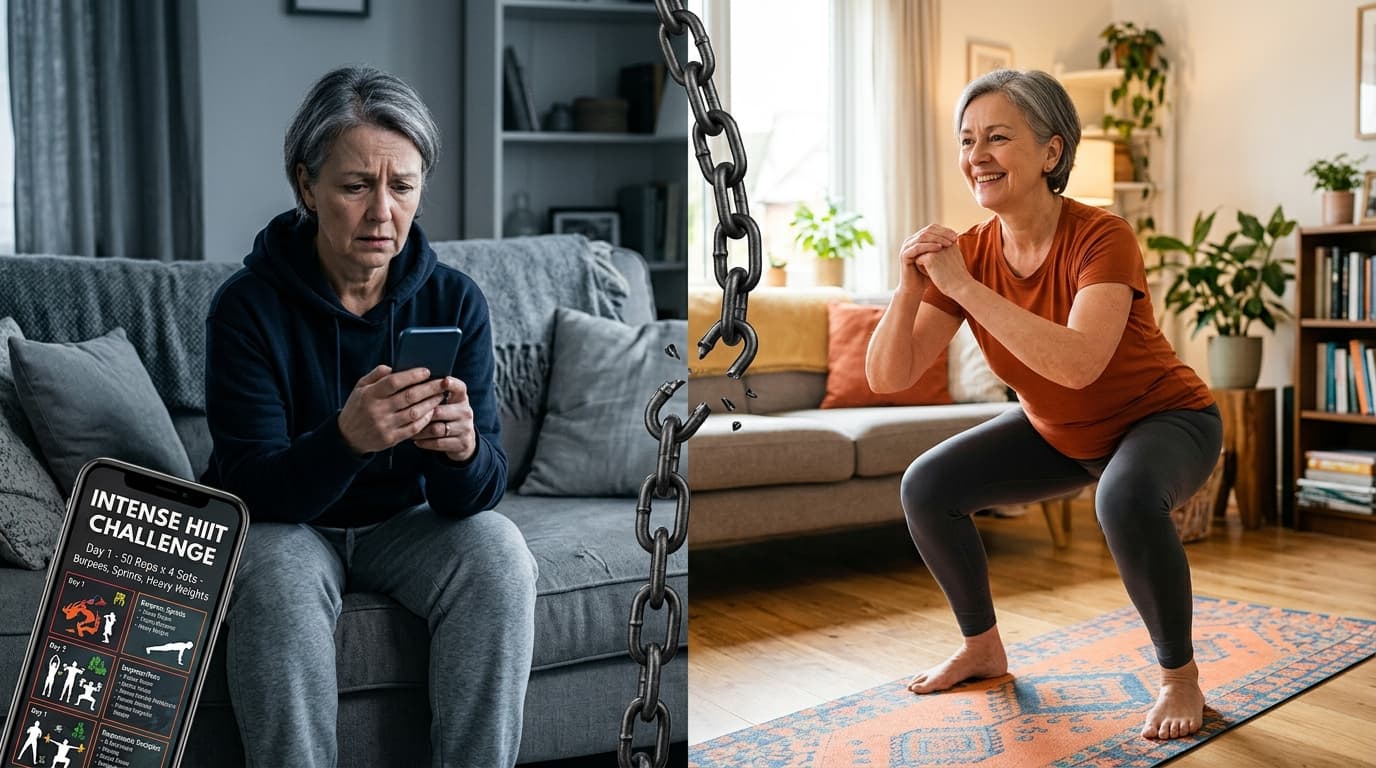
It’s a fantastic question because it shifts the narrative from simple willpower or motivation to something deeper. The truth is, breaking free from a comfortable but sedentary routine requires a specific, often overlooked form of bravery. You aren’t just deciding to move your body; you are deciding to break a pattern, confront your own reflection, and step into a world that feels foreign.
At Sweetspotroutine.com, we understand this struggle intimately. We work with people with diabetes every day who know they need to move, but for whom the gap between knowing and doing feels like a Grand Canyon. We’ve built a method based on consistency and simplicity because we know that the hardest part isn't the workout itself—it's the courage to start and the courage to stay.
Here are the six types of courage you need to find (and how to develop them) on your journey from a lazy life to an active one.
1. The Courage to Begin with Imperfection
This is often the biggest hurdle. That little voice in your head is a master of excuses: "You're too out of shape. You're too weak. You don't know what you're doing. Everyone at the gym will judge you." This voice convinces you that you need to be ready before you start.
The courage required here is the courage to be bad at something. It’s the bravery to accept that your first workout will be clumsy, that you might grab the lightest weights, get winded after five minutes, or have no clue how a machine works. It is the courage to "fail" in public, to temporarily not belong, so that you can eventually belong.
With Sweetspot Routine, you don't need to know what you're doing. The audio guidance acts as your personal trainer in your ear, telling you exactly which exercise is next. You don't have to worry about looking lost or using the wrong equipment because the app removes the guesswork. It gives you the safe space to be an imperfect beginner.
2. The Courage to Confront Your Current Self
A lazy existence often allows you to ignore your body. You can live in your head, distracting yourself from the physical. Exercise shatters that illusion. It forces you to inhabit your body, to feel its limitations.
The courage needed is the courage to feel. It’s the bravery to feel the stiffness, the weakness, and the sheer effort of carrying your own weight. It’s the courage to look in the mirror (or avoid it) and say, "Okay, this is where I am right now. This is my starting point."
Sweetspot Routine helps by turning this confrontation into data. By tracking your training data—reps, rounds, and points—you replace a subjective feeling of "I'm weak" with objective proof of "I did that." You stop confronting a vague idea of yourself and start building a new one, one circuit at a time.
3. The Courage to Embrace Discomfort
For years, your default mode has been comfort. Your body and brain are wired to seek the path of least resistance. Exercise is the exact opposite: it is the deliberate pursuit of discomfort.
This requires the courage to seek short-term pain for long-term gain. It’s the bravery to stay on that bike when your legs are burning. It’s the decision to push for that last rep when your body is screaming to stop. It’s choosing the discomfort of growth over the comfort of stagnation.
Our circuit training format is designed to be manageable, but it doesn't shy away from work. By following the structured rounds, you learn to lean into that burn for a short, defined period. You learn that discomfort is temporary, but the feeling of accomplishment lasts.
4. The Courage to Look Foolish
The fear of being judged is a massive inhibitor. We imagine people laughing at our red faces, our old clothes, or our slow pace.
You need the courage to be vulnerable. It’s the courage to go to the gym in your baggy shorts, to run slower than people walk, to sweat and turn beet-red. It’s the courage to accept that while someone might glance your way, 99% of people are far too busy with their own insecurities to focus on yours. It is the bravery to be seen while you are a work in progress.
By using Sweetspot Routine, your focus shifts from the external (what others think) to the internal (what my coach is telling me to do next). The audio guidance creates a bubble, making your workout a private conversation between you and the app, even in a public space.
5. The Courage to Persist When Motivation Fades
Motivation is what gets you started. It’s the spark. But it’s also a fickle friend that disappears the first time it rains, when you’re tired, or when you’ve had a bad day at work.
The courage required here is the courage of character and discipline. It’s the bravery to make a decision based on a commitment, not on a feeling. It’s the strength to get up and follow through on a promise you made to yourself, even when every fiber of your being wants to stay on the couch.
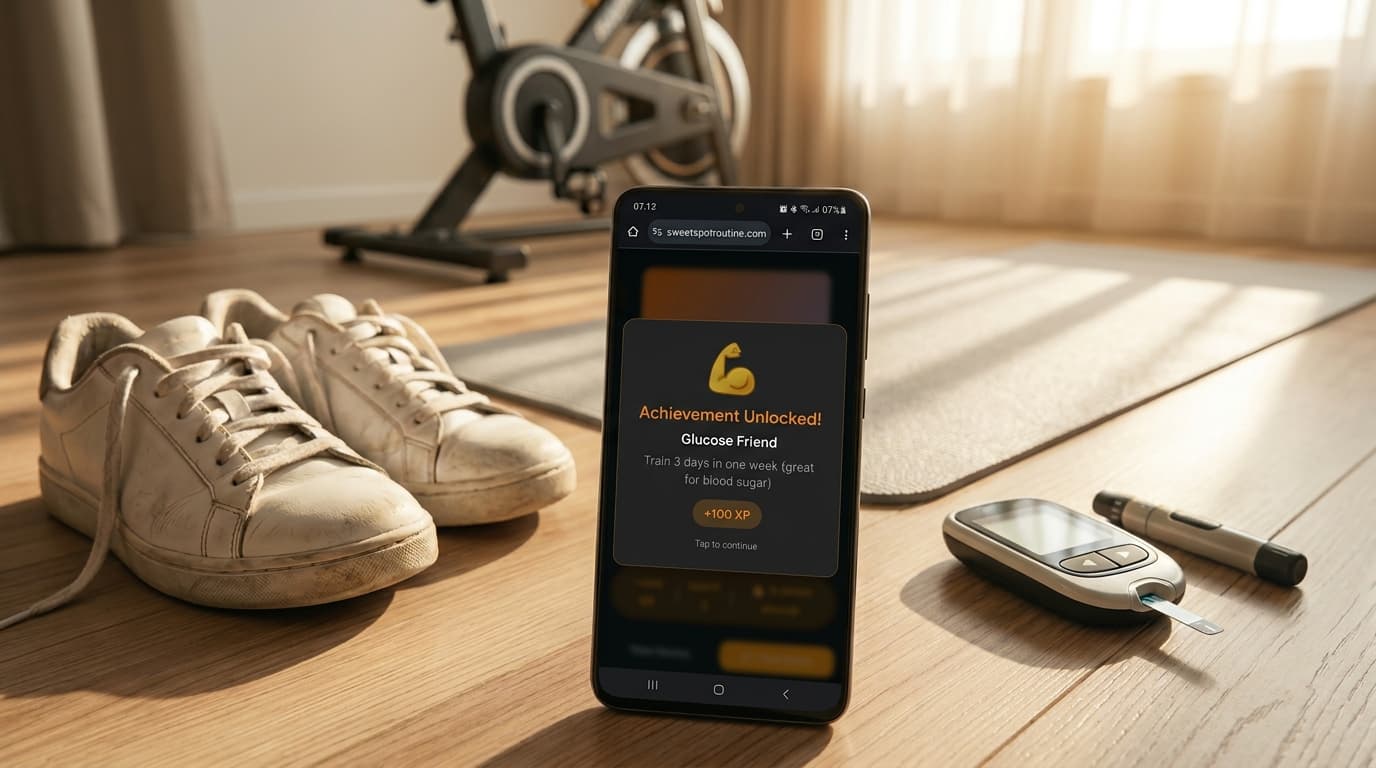
This is where the gamification of Sweetspot Routine shines. When motivation is gone, the pursuit of points and badges can carry you. Seeing your training data grow is a visual confirmation of your discipline. It transforms "I have to work out" into "I get to add to my streak and earn my next badge." It turns persistence into a game you want to win.
6. The Courage to Be Patient
In a lazy world, we are conditioned to want everything fast and easy. We want the result without the work. Exercise is the antidote to this; it is inherently slow and difficult.
This takes the courage to trust the process. It’s the bravery to keep showing up even when you see no difference after two weeks, or two months. It’s the courage to accept that progress is measured in millimeters, not kilometers. It’s the faith that the small, consistent actions are compounding into something significant.
Sweetspot Routine is built on the principle of consistency over complexity. By focusing on getting the necessary movement in each week, rather than chasing a perfect, complicated workout, you learn to value the process. And with our AI coach, you have a partner to talk to about your progress, your diabetes, and your health. You can ask questions, get encouragement, and be reminded that patience is a form of progress.
The Greatest Courage of All
So, what kind of courage do you need to start exercising after a lazy life?
You need the courage to be uncomfortable, uncertain, imperfect, and patient—and to continue anyway.
The most beautiful part of this journey is that you don’t need to possess all this courage before you begin. You don't find the courage and then start. You develop the courage by starting.
The greatest courage of all is the courage to take that first step today, knowing full well that you aren't ready for what comes next. Because that is what growth feels like: always a little bit like you aren't ready for what’s coming.
And if you need a companion for that first step—someone to guide you, track your progress, and remind you why you started—Sweetspot Routine is here. Let's find your sweet spot.
FAQ
Is it normal to feel scared about starting to exercise?
Absolutely. Starting a fitness journey after years of inactivity requires confronting uncomfortable truths about your current physical state. This fear is natural and shared by almost everyone who starts from zero. Acknowledging it is the first act of courage.
How do I stay motivated when the initial excitement fades?
Motivation always fades — that's why courage to persist matters more than motivation. Build systems instead of relying on feelings: schedule fixed workout times, use an app with streak tracking, and start so small that skipping feels harder than doing it.
What if I feel embarrassed exercising at my fitness level?
The courage to look foolish is one of the six types described in this article. Remember that everyone started somewhere, and exercising at home with an app like Sweetspot Routine removes the gym anxiety entirely. Nobody is watching — just you and your progress.
How long until exercise becomes a habit rather than a struggle?
Research suggests it takes 6-8 weeks of consistent practice for exercise to feel automatic. The first 2-3 weeks are the hardest. After that, your body starts craving movement, and the courage required decreases significantly.
Can I really get fit starting from complete inactivity?
Yes. Your body responds to any increase in activity, especially if you've been sedentary. Even starting with 5 minutes of movement creates measurable health improvements. The key is consistency over time, not intensity from day one.
Written by Wayne
Founder of Sweetspot Routine. Passionate about helping people with type 2 diabetes take control of their health through sustainable fitness.