No Motivation to Exercise with Type 2 Diabetes? Your Practical 5-Step Guide
 Wayne
Wayne
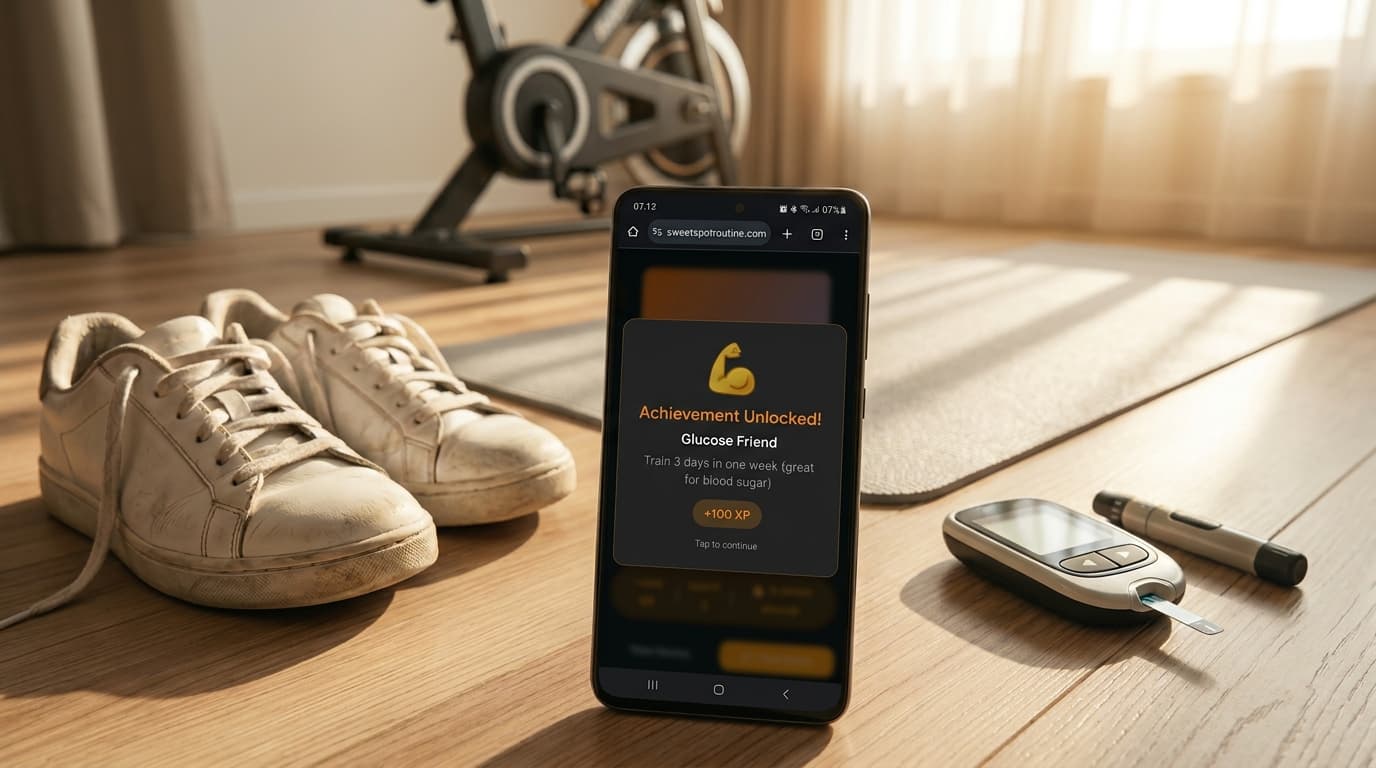
Do you find yourself staring at your workout shoes, knowing you should move, but feeling a complete lack of motivation to exercise? If so, you're far from alone. For people managing type 2 diabetes or prediabetes, this mental hurdle can feel doubly heavy. You know physical activity is a cornerstone of blood sugar management, yet the thought of starting can be overwhelming, exhausting, or just plain unappealing.
This isn't about laziness—it's about a very human brain reacting to perceived effort, discomfort, or uncertainty. The good news? You can work with your brain, not against it. This guide breaks down five practical, empowering steps to move from resistance to routine.
Why "Just Do It" Doesn't Work (And What Does)
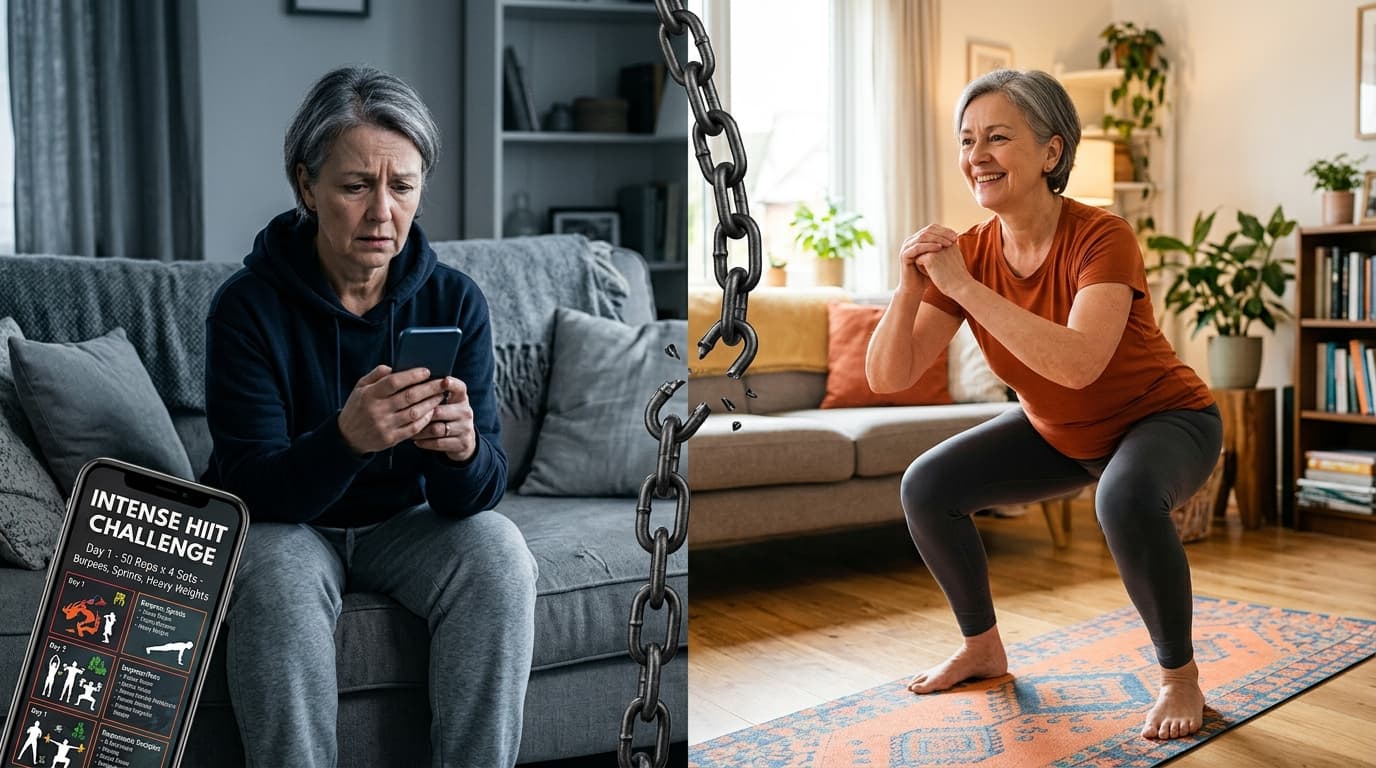
Forcing yourself through sheer willpower is a recipe for burnout. Sustainable movement for diabetes management isn't about intense, punishing workouts. It's about consistent, manageable activity that supports your metabolic health without feeling like a chore. The key is to lower the barrier to entry and make the process feel rewarding, not daunting.
Step 1: Redefine What "Exercise" Means
The first and most powerful step is to dismantle the intimidating image of "exercise." You don't need a gym membership, special clothing, or an hour of sweating.
* Think "Movement," Not "Workout." Any activity that gets your body moving counts. This could be a 10-minute walk after lunch, gentle stretching while watching TV, gardening, or dancing to your favorite song in the living room. * Focus on Function, Not Aesthetics. Shift your goal from "burning calories" or "losing weight" to immediate, functional benefits. Remind yourself: "This walk is helping my muscles use glucose more effectively right now," or "This stretch is easing my stress and lowering my cortisol." The Sweetspot Principle: Our philosophy is built on this idea. The Sweetspot Routine app is designed around short, guided audio sessions that fit into your day, emphasizing how movement feels* in your body rather than how it looks. It’s exercise, redefined for real life.
Step 2: The 2-Minute Rule & The Power of Ritual
When motivation is zero, rely on micro-commitments and cues.
* Commit to Just 2 Minutes. Promise yourself you’ll only move for two minutes. Put on your shoes and walk for 120 seconds. Often, starting is the only hard part. Once you're in motion, it's much easier to continue for five, ten, or fifteen more minutes. * Create a Simple Ritual. Pair your movement with an existing habit. For example: "After I finish my morning coffee, I will do a 5-minute mobility routine." This habit-stacking technique uses your brain's automatic patterns to build a new one. How the App Helps: This is where a tool like the Sweetspot Coach shines. Instead of debating what* to do, you simply open the app and press play on your recommended session. The coach tells you exactly what to do next, removing decision fatigue and making that initial 2-minute commitment effortless.
Step 3: Connect Movement to a Direct, Positive Feeling
Motivation follows action, and action follows a positive reward. Connect your movement to an immediate sense of well-being.
Track How You Feel After*. Keep a simple note on your phone or in a journal. After moving, jot down: "Felt more energized," "Blood sugar reading was 1.5 mmol/L lower after lunch," or "Mind feels clearer." Pair It with Pleasure. Listen to an engaging podcast, an audiobook, or a fantastic playlist only* while you walk. You begin to associate movement with a treat for your mind. * Celebrate the Win. Acknowledge your effort sincerely. "I showed up for my health today. That matters." This positive reinforcement rewires your brain to see movement as a source of accomplishment, not punishment.
Step 4: Ditch the All-or-Nothing Mindset
"I missed my usual time, so I'll just skip it today." Sound familiar? This mindset is the biggest killer of consistency.
* Something is Always > Nothing. A 5-minute walk is infinitely better for your blood sugar and routine than 0 minutes. Give yourself permission for the "mini-version" of your plan. * Flexibility is Key. Life happens. Your exercise routine should be adaptable. If you planned for an afternoon session but feel drained, can you do a gentle evening stretch instead? * Your Personal Guide: When life throws a curveball, your Sweetspot Coach is there to provide safe, adaptive alternatives. Unsure what to do when you're tired or short on time? The coach offers modified sessions that respect your energy levels while keeping you on track, making the "all-or-nothing" trap obsolete.
Step 5: Build a Support System (Yes, Even an Automated One)
Accountability transforms obligation into commitment.
* Externalize Your Motivation. Tell a friend or family member your tiny goal. Use a simple calendar to check off days. Accountability makes your intention real. * Let Technology Be Your Ally. Imagine having a supportive, knowledgeable coach who's always available, never judges, and provides a clear path forward. This is the core role of the Sweetspot Coach in your pocket—it offers the nudge, guidance, and structure that makes staying consistent feel less like a solo struggle.
Step 5½: Track Your Wins (Not Just Your Workouts)
One of the most underestimated tools for building motivation is a simple progress log. Not a calorie counter or a fitness tracker — just a record of what you did and how it made you feel.
* Start a "wins" list. Write down every time you moved, no matter how small. "Walked to the shop instead of driving." "Did 5 squats while waiting for the kettle." These micro-wins add up faster than you think. * Notice the ripple effects. After a week or two, look back at your list. You'll likely spot patterns: better sleep, more stable blood sugar readings, improved mood. These aren't coincidences — they're proof that what you're doing is working. * Use your data as fuel. On days when motivation is low, read your wins. It's hard to argue with your own evidence. You've done it before; you can do it again.
This is where the difference between motivation and momentum becomes clear. Motivation gets you started. Momentum — built from small, repeated actions — is what keeps you going.
Your Next Step: Choose One Tiny Action
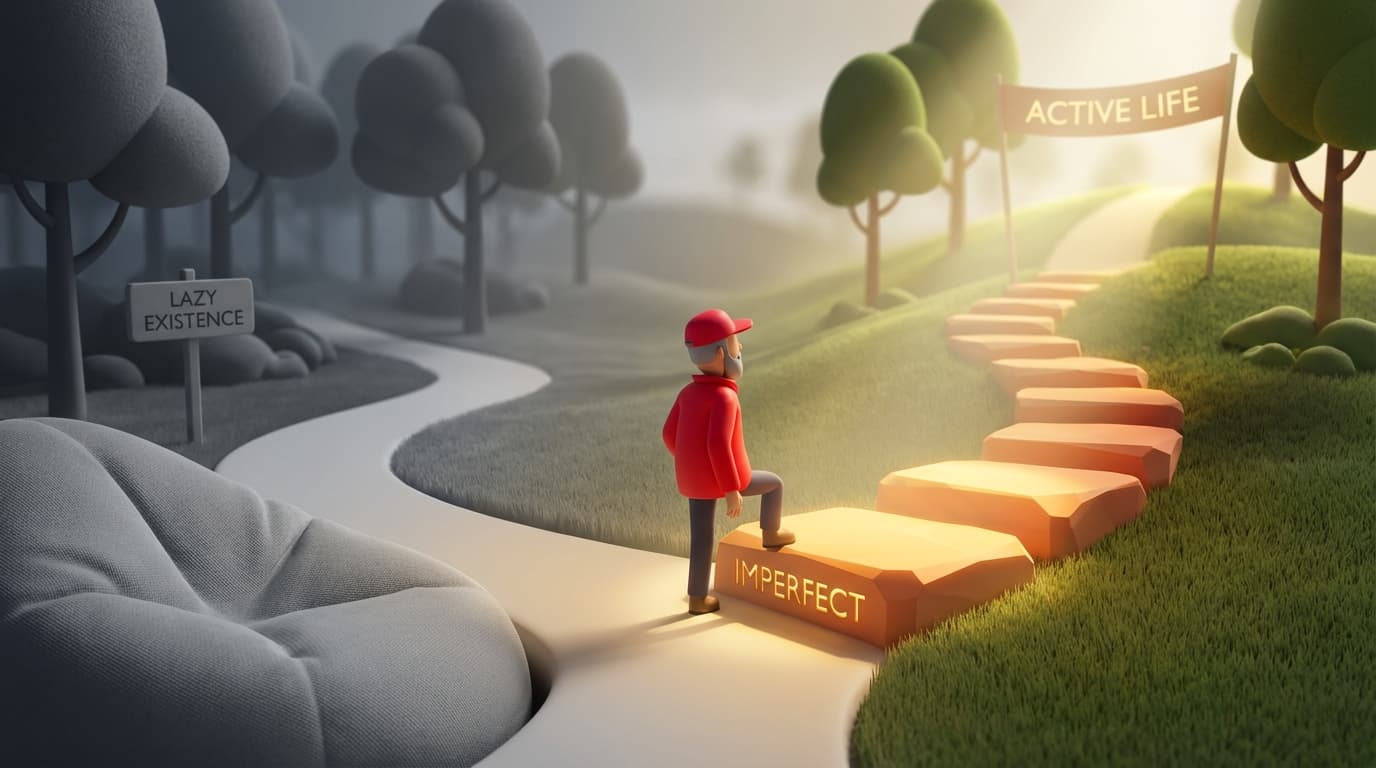
You don't need to implement all five steps today. That would be overwhelming. The goal is to build momentum, not perfection.
Your Call-to-Action: Scroll back up and choose ONE step that resonates with you right now.
Will it be committing to the 2-Minute Rule tomorrow morning? Or will you redefine exercise by taking a 10-minute "glucose walk" after your next meal?
Take that one, small, manageable step. Your body—and your blood sugar—will thank you for it.
FAQ: Overcoming Exercise Motivation with Diabetes
Is it normal to feel so unmotivated, even though I know it's important for my diabetes?
A: Absolutely. Knowing something is good for you doesn't automatically make it appealing. Factors like blood sugar fluctuations, fatigue, stress, and fear of the unknown all play a role. Be compassionate with yourself; this is a normal part of the process.What if I'm afraid of my blood sugar dropping during exercise?
A: This is a very common and valid concern. The key is to start gentle, monitor your levels before and after, always have a fast-acting carb snack handy, and choose predictable, low-to-moderate intensity activities. Structured programs, like those in the Sweetspot Routine, are designed with this safety in mind, providing stable, guided effort.How long until it starts to feel easier?
A: Focus on consistency over intensity for at least 3-4 weeks. It takes time for a new behavior to become a habit. The first few times are the hardest. As you experience the positive feelings (better energy, improved numbers, a sense of pride), the internal motivation will gradually begin to grow.Can I exercise if I feel tired from my diabetes medication?
Feeling tired from medication (especially metformin or insulin) is common, but it doesn't mean you can't move. Start with something gentle like a 5-minute walk or light stretching. Many people find that mild exercise actually reduces medication-related fatigue. If tiredness persists, speak with your doctor — your dosage or timing might need adjusting.What's the best time of day to exercise when I have no motivation?
The best time is whenever you're most likely to actually do it. For many people, that's first thing in the morning — before excuses pile up. Others prefer a post-meal walk, which has the added benefit of reducing blood sugar spikes. Experiment for a week and notice when moving feels easiest. Then build your routine around that window.Sometimes the best motivation comes from someone who's been where you are. Read how one person went from tired to in control with just 15-minute workouts. And remember: consistency always beats intensity — even a 10-minute walk counts.
Take the next step
Now that you have your motivation toolkit, it's time to put it into action. For everything you need to know about exercising with diabetes — from choosing the right movements to staying safe — read our complete guide to exercise with type 2 diabetes.
📘 Looking for a complete plan to train at home? Read our Home Workouts Without Equipment — A Beginner's Guide for everything you need to get started.
Written by Wayne
Founder of Sweetspot Routine. Passionate about helping people with type 2 diabetes take control of their health through sustainable fitness.